
Introduction to Travel Tips and Safety for Traveling
Traveling is one of life’s greatest pleasures, offering the chance to explore new destinations, cultures, and experiences. However, with great adventure comes great responsibility. Whether you’re traveling solo, with family, or for business, it’s important to take proactive steps to ensure your safety, well-being, and comfort. This means being prepared, staying alert, and making informed decisions while on the go.
- Introduction to Travel Tips and Safety for Traveling
- 1. Before You Travel: Essential Preparations for a Safe Journey
- Research Your Destination
- Travel Insurance: Protect Yourself
- Book Accommodation and Transportation Early
- 2. Packing for Safety and Comfort
- 3. During Your Trip: Staying Safe and Enjoying Your Journey
- Stay Alert and Keep Your Belongings Safe
- Use Trusted Transportation
- Protect Your Health and Well-Being
- 4. Solo Travel Safety
- 5. Family Travel: Ensuring Safety with Children
- 6. Post-Trip Safety: Returning Home
- FAQs: Travel Tips and Safety for Traveling
- 1. What should I do if I lose my passport while traveling?
- 2. What vaccinations do I need before traveling internationally?
- 3. Should I purchase travel insurance?
- 4. What is the best way to exchange currency for international travel?
- 5. How can I avoid jet lag on an international trip?
- Conclusion
At TripWizard, we believe that proper planning and understanding the essential travel tips and safety measures can prevent many of the challenges travelers face. This guide is designed to help you stay safe and enjoy your trip to the fullest, no matter where you’re headed.
We’ve compiled a comprehensive set of tips and safety guidelines that will help you before, during, and after your trip. Whether you’re heading abroad for the first time or are a seasoned traveler, you’ll find valuable information to ensure that your journey is smooth, stress-free, and, most importantly, safe.
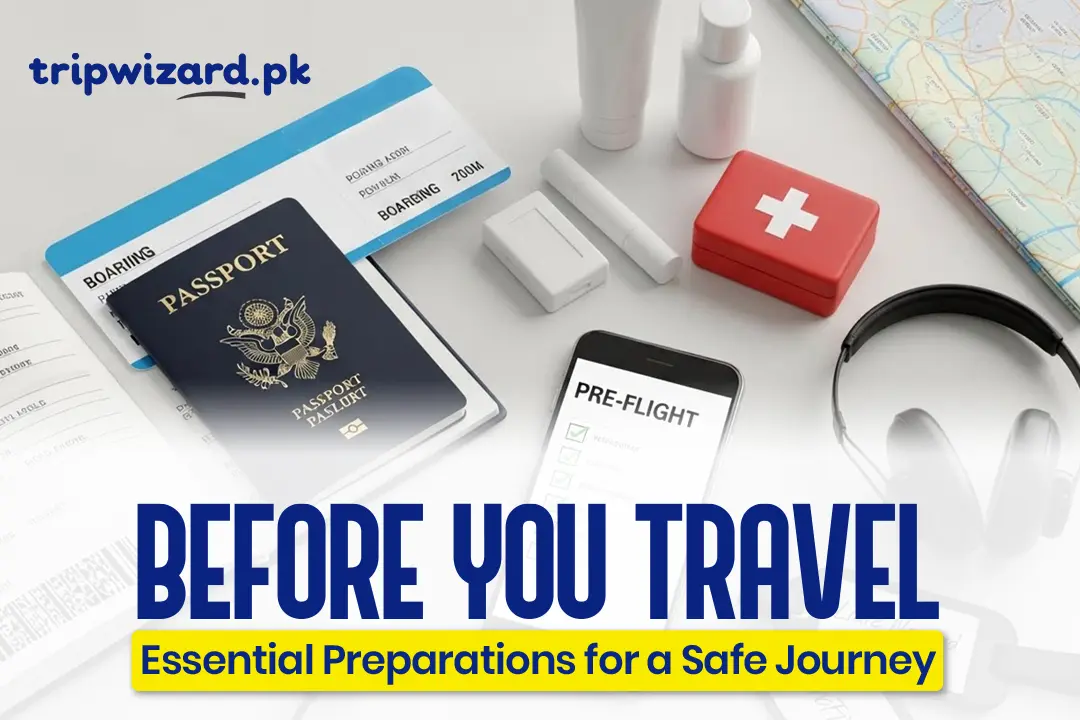
1. Before You Travel: Essential Preparations for a Safe Journey

The key to a safe and enjoyable trip begins long before you step foot on a plane or board a train. From researching your destination to organizing important documents, planning ahead will ensure you’re well-prepared for anything that might come your way.
Research Your Destination
The first step in any trip is to thoroughly research the place you’re visiting. In addition to knowing the top tourist attractions, it’s important to understand the safety risks, health considerations, and local laws of your destination.
- Government Travel Advisories: Many governments offer travel advisory websites that provide up-to-date information about safety concerns in different regions. For example, the U.S. Department of State, the UK Foreign Office, and others provide travel alerts, safety tips, and advisories.
- Local customs and laws: Understanding local customs, such as how to greet people, appropriate dress codes, and behavior norms, can prevent cultural misunderstandings. Many countries have strict laws that might be different from your home country, such as drug laws, public behavior, and more.
- Emergency services: Familiarize yourself with the local emergency services number for police, fire, medical help, and other services. It’s also a good idea to know the location of the nearest embassy or consulate in case you need assistance.
Travel Insurance: Protect Yourself
While travel insurance might feel like an optional expense, it’s an important safety net that can save you a lot of stress and money in case of an emergency.
- Types of travel insurance: There are several types of travel insurance to choose from, including trip cancellation insurance, health insurance, medical evacuation insurance, and lost baggage coverage.
- What does it cover?: Make sure to read through your policy to understand what it covers. For instance, will it cover you in case of a natural disaster or trip delays? Does it offer medical assistance abroad? Will it help you replace stolen items or lost baggage?
- COVID-19 considerations: In light of the ongoing pandemic, ensure that your insurance policy includes coverage for COVID-19-related issues such as flight cancellations, quarantine expenses, or emergency medical care.
Book Accommodation and Transportation Early
One of the easiest ways to avoid stress while traveling is by booking accommodation and transportation in advance. It’s important to secure trusted options that are conveniently located and safe.
- Where to stay: Choose well-reviewed accommodation in safe, well-known areas. Platforms like Airbnb, Booking.com, or Expedia are great resources to book your stay. Always read reviews from other travelers to check the reliability and safety of the accommodation.
- Pre-arranged transport: Arrange airport pickups or transportation in advance to avoid being overwhelmed by unlicensed taxis or unfamiliar local transportation. Book rides through trusted services like Uber, Lyft, or other international ridesharing apps, especially if you’re unfamiliar with the area.
2. Packing for Safety and Comfort
Packing properly for your trip is just as important as the planning phase. Overpacking or forgetting key essentials can disrupt your experience, so being prepared with the right gear is crucial.
Keep Your Travel Documents Safe
The most important thing you’ll carry during your trip is your passport, followed closely by your visa and travel insurance details. Keep these items safe and accessible.
- Make copies: Always have photocopies or digital copies of your important documents in case they are lost or stolen. Keep one copy with a friend or family member at home, and leave another one in a different location in your luggage.
- Backup plans: If you’re traveling internationally, consider keeping a digital version of your passport and visa in your email or a cloud storage service that can be accessed at any time.
Essential Packing Tips for Safety
While it’s important to pack your clothes and toiletries, it’s equally important to bring items that enhance your safety.
- Medications: Pack enough prescription medication for the duration of your trip. Bring a doctor’s note or prescription details for any required medication, especially if it’s a controlled substance in your destination country.
- Anti-theft bags: Use anti-theft bags or money belts to keep your valuables secure. Many of these bags come with RFID-blocking compartments to protect your credit card details from electronic theft.
- Portable power bank: In case of an emergency, having a fully charged phone is crucial. Carry a portable charger for your phone, especially if you’re going on long trips or day excursions.
Packing for Comfort
Packing smart can make your travel experience more enjoyable and comfortable.
- Light and breathable clothing: Pack versatile clothing that can be mixed and matched for various occasions. Comfortable shoes are a must if you plan to do any walking tours.
- Weather-specific clothing: If you’re heading to a hot destination, make sure to pack sunscreen, a hat, and sunglasses. For colder climates, pack warm layers, a good quality jacket, and gloves.
- Toiletries and hygiene: Keep toiletries simple and pack travel-sized bottles of shampoo, conditioner, and soap. Don’t forget essential items like deodorant, toothpaste, and a toothbrush.
3. During Your Trip: Staying Safe and Enjoying Your Journey
Once you’ve arrived at your destination, it’s time to put your travel plans into action. But, as always, staying aware and taking simple precautions is key.
Stay Alert and Keep Your Belongings Safe
While exploring new places is exciting, it’s important to stay aware of your surroundings to avoid becoming a victim of theft or scams.
- Secure your valuables: Always lock up your valuables in a safe in your hotel room, or carry them in a money belt. If you’re out and about, avoid displaying expensive items like jewelry, cameras, or large amounts of cash.
- Use common sense: If something doesn’t feel right, trust your instincts. Avoid interacting with suspicious individuals or accepting unsolicited help from strangers.
Use Trusted Transportation
When it comes to getting around, safety should always come first.
- Public transport: If you’re using public transport, try to use busy, well-lit stations and avoid traveling late at night when it’s quieter.
- Pre-arranged taxis: Instead of flagging down a taxi on the street, arrange transportation through your hotel or use a rideshare app like Uber or Lyft for greater safety.
- Avoid hitchhiking: While it might seem like a convenient option, hitchhiking is always risky and should be avoided.
Protect Your Health and Well-Being
Whether you’re traveling for a short vacation or a long-term trip, keeping yourself healthy and energized should be a top priority.
- Stay hydrated: Especially in hot climates, drink plenty of water throughout the day to avoid dehydration.
- Safe eating habits: Stick to well-known restaurants or food stalls that have good hygiene practices. Avoid consuming food from questionable sources that may lead to food poisoning.
- Sun protection: If you’re traveling to a sunny destination, apply sunscreen regularly, even on cloudy days. Protect your eyes with sunglasses and wear a hat for additional protection.
4. Solo Travel Safety
Traveling alone can be an incredible experience, but it requires extra care. Here are some tips for solo travelers to stay safe:
Stay Connected
- Share your itinerary: Inform family or friends of your travel plans, including your accommodation details and daily itinerary. Keep them updated on your whereabouts.
- Use your phone: Make sure your phone is charged and accessible at all times. It’s your lifeline for emergency situations, navigation, and keeping in touch with loved ones.
Trust Your Instincts
- Be cautious: When meeting new people, trust your instincts. If something feels off, remove yourself from the situation.
- Avoid risky situations: Avoid walking alone late at night or in poorly lit areas. If you feel unsafe, opt for well-lit, busy places.
5. Family Travel: Ensuring Safety with Children

Traveling with children requires additional preparation and safety considerations. Here’s how to keep your little ones safe during your trip:
Keep Children Close
- Monitor your children: Always keep an eye on your children, especially in busy or unfamiliar places. Use child safety harnesses if needed or keep a watchful eye on them at all times.
- Teach children emergency contact information: Ensure that your child knows important information like the address of your accommodation and emergency contact numbers.
Health and Comfort for Kids
- Pack baby essentials: If traveling with an infant or toddler, make sure to pack baby food, diapers, bottles, wipes, and medications in your carry-on bag.
- Maintain routine: Try to maintain some aspects of your child’s routine, like meal times and bedtime, to ensure they stay comfortable and well-rested during your trip.
6. Post-Trip Safety: Returning Home
Once your adventure is over, the journey isn’t quite complete. It’s important to take a few post-trip steps to ensure a safe return:
Check for Lost Items
- Inspect your belongings: After your trip, check your luggage and items to ensure nothing was lost or stolen. Report any missing belongings immediately to the airline or local authorities.
- Review your travel documents: Ensure all your important documents, like your passport and visas, are returned safely.
FAQs: Travel Tips and Safety for Traveling
1. What should I do if I lose my passport while traveling?
Report it immediately to local authorities and contact your embassy or consulate for assistance with getting a replacement or emergency travel document.
2. What vaccinations do I need before traveling internationally?
The vaccination requirements vary by country. Consult with a healthcare provider or visit a travel clinic to ensure you have all the necessary vaccines.
3. Should I purchase travel insurance?
Yes, it’s highly recommended to purchase travel insurance. It covers medical emergencies, trip cancellations, lost baggage, and other unforeseen situations.
4. What is the best way to exchange currency for international travel?
You can exchange currency at local banks, currency exchange offices, or ATMs once you arrive. It’s also a good idea to bring foreign exchange in advance.
5. How can I avoid jet lag on an international trip?
To minimize jet lag, adjust to the local time zone of your destination a few days before your trip, stay hydrated, avoid caffeine, and spend time outdoors in natural light once you arrive.
Conclusion
Traveling is an enriching experience, but it’s important to prioritize safety and planning. Whether you’re traveling alone, with family, or for business, using these travel tips and following safety precautions will ensure that your journey remains enjoyable and free from unnecessary stress.
At TripWizard, we’re here to help you plan a seamless trip with personalized services, including flight bookings, visa assistance, and customized travel itineraries. Start your travel journey with confidence and make the most of your adventure!